
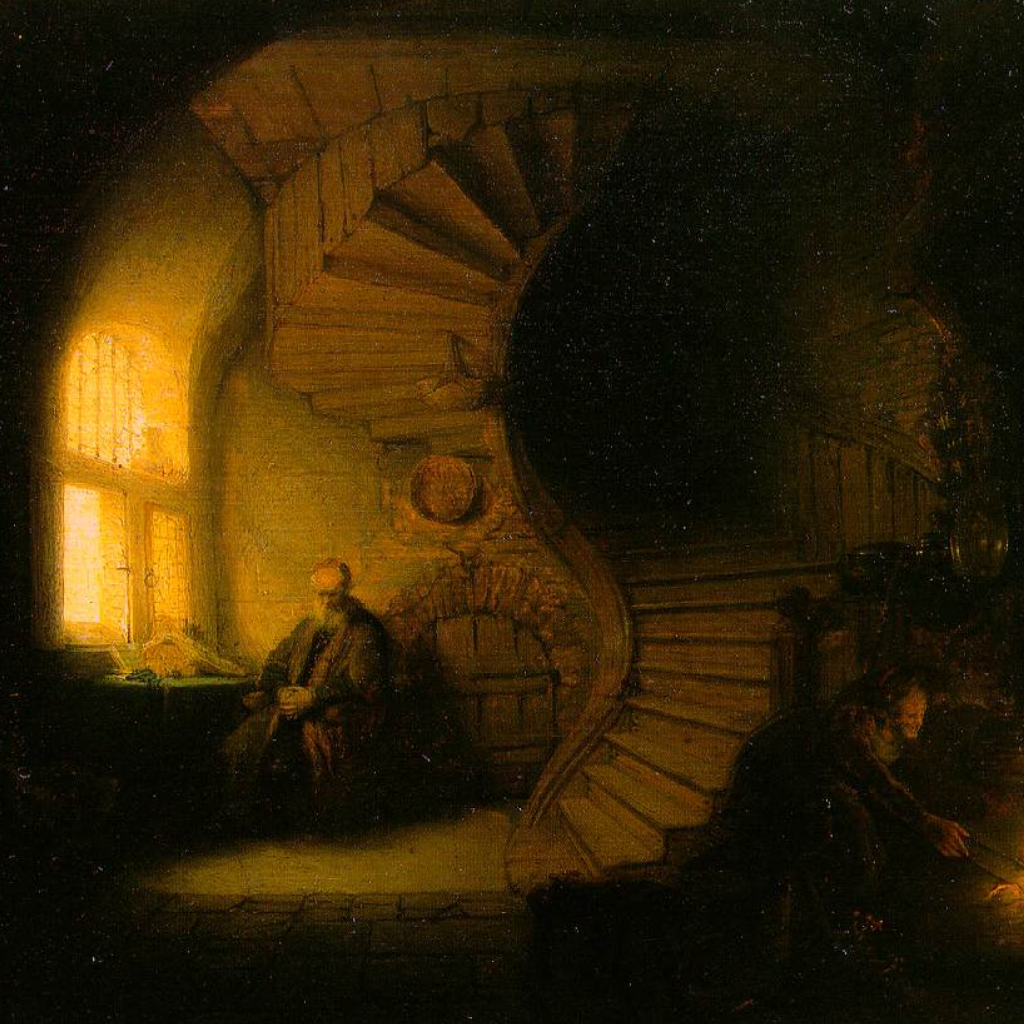
What is the one thing every philosophy shares, no matter where it was born or when it was shaped? Whether it comes from the mountains of Greece, the temples of India, the deserts of Arabia, or the quiet gardens of China, they all ask the same question. How can a person live a better life, and how can a person become a better human being? Philosophy can look complicated from the outside, but when you enter it with an open mind, you see that every teaching, every idea, and every system is trying to guide the human soul toward a life that feels honest and meaningful.
The Ancient Search for a Good Life
Ancient philosophy was built slowly, shaped by observation, struggle, and the weight of living close to nature. People faced hardship every day, and this made their questions direct and urgent. How do I endure pain? How do I stay calm? How do I live with virtue? These were not ideas to talk about for fun. They were instructions for survival. In Greece, thinkers like the Stoics focused on self-control and courage because life was unpredictable. In China, early philosophers taught harmony because they lived in a world always shifting between war and peace. In India, ancient texts explored inner stillness because the mind itself was seen as the first battlefield.
All these teachings came from experience. You learned by living, failing, and watching others around you. Ancient thought was slow, like a river wearing down a stone. It did not rush. It did not try to impress anyone. It simply tried to answer the questions that made life bearable.
The Modern Mind and the Weight of Choice
Modern philosophy lives in a faster world. Today we are surrounded by constant noise, endless opinions, and choices that pull us in every direction. Modern thinkers try to make sense of freedom, identity, justice, and the fast pace of life. Instead of asking how to survive hardship, they ask how to survive ourselves. We struggle not with hunger or weather, but with distraction, anxiety, and meaning.
Modern thought tries to bring clarity to a world where information arrives quicker than understanding. It asks how to stay human when the world keeps speeding up. It asks how to think clearly when every voice is telling you something new. It asks how to stay grounded when there are too many paths and no clear direction.
Ancient philosophy dealt with life’s external storms. Modern philosophy deals with the storms inside the mind.
How Ancient Thought Shapes Modern Thinking
Even though thousands of years separate ancient and modern philosophy, they depend on each other. The problems we face today are different, yet the old answers still whisper the same truths. When modern thinkers ask how to build a meaningful life, they return to the ancient idea that a person must first understand themselves. When they question happiness, they rediscover the old warning that pleasure does not last and discipline builds more than desire. When they study conflict, they find the old truth that a calm mind sees the world more clearly than an angry one.
The tools change, the world changes, but the human heart does not change as much as we think. This is why ancient teachings still feel alive. They talk about habits, feelings, fear, pride, love, and the quiet discomfort of being human. These things exist in every generation.
The Common Thread Running Through All Thought
If you take all philosophy from every era and place it in one long line, from the earliest texts to the newest ideas, you will find one thread running through them. Every philosophy is trying to answer the question of how to live well. Not how to live perfectly, and not how to live without difficulty, but how to live honestly. How to build a life you can respect. How to act with integrity. How to understand yourself enough to choose better actions tomorrow than the ones you chose yesterday.
This question has no final answer because no life is ever complete. Every day you learn something new about yourself, and every day you see another part of the world more clearly. This makes philosophy a quiet companion. It is not a list of rules. It is a mirror you return to when life feels uncertain. It reminds you that every human before you asked the same questions you are asking now.
The Modern Need for Ancient Clarity
Even though we live in a time filled with progress, modern life often feels more confusing than ancient life. The speed of the world makes us forget what we truly need. We think we need more success, more attention, and more praise, but ancient thought reminds us that the real need is inner steadiness. Modern philosophy also tries to help us untangle our worries, but without the slow rhythm of ancient life, we sometimes lose the depth that those old thinkers naturally had.
This is why mixing ancient and modern thought helps us more than choosing one alone. Ancient wisdom gives grounding. Modern insight gives direction. Together they offer balance.
Becoming the Human You Hope to Be
Philosophy becomes useful only when it enters your daily life. It is easy to talk about patience, discipline, courage, and kindness, but it is far harder to live them. Ancient thinkers understood this struggle. Modern thinkers understand it too. The one thing every philosophy shares is the belief that becoming a better human is not automatic. It is a practice. You become who you say you are only when your actions repeat your words.
In the end, philosophy is not about knowing more. It is about living with more honesty. The world has changed, but the human heart has not. That is why ancient and modern philosophy still sit at the same table, asking the same eternal question: How should a person live?
Shouldn’t We Have The Answer
You would think that despite all these years from the days of Aristotle to john Rawls we would have finally found the answer as to how one can live a better life and be a better human being but we haven’t, Why? Well I think its because most people are too ignorant to let go of their past beliefs and adapt new ones. You don’t hear the everyday teenager talking about these topics because its simply not popular. One person may find the answer but if no human listens what good does that serve humanity? So many excellent minds have come into society yet they weren’t accepted because they saw that the person he is but what he was. The society was too ignorant and closed off to thoughts that meant changing. And that’s why we don’t have an answer yet.


Leave a Reply