
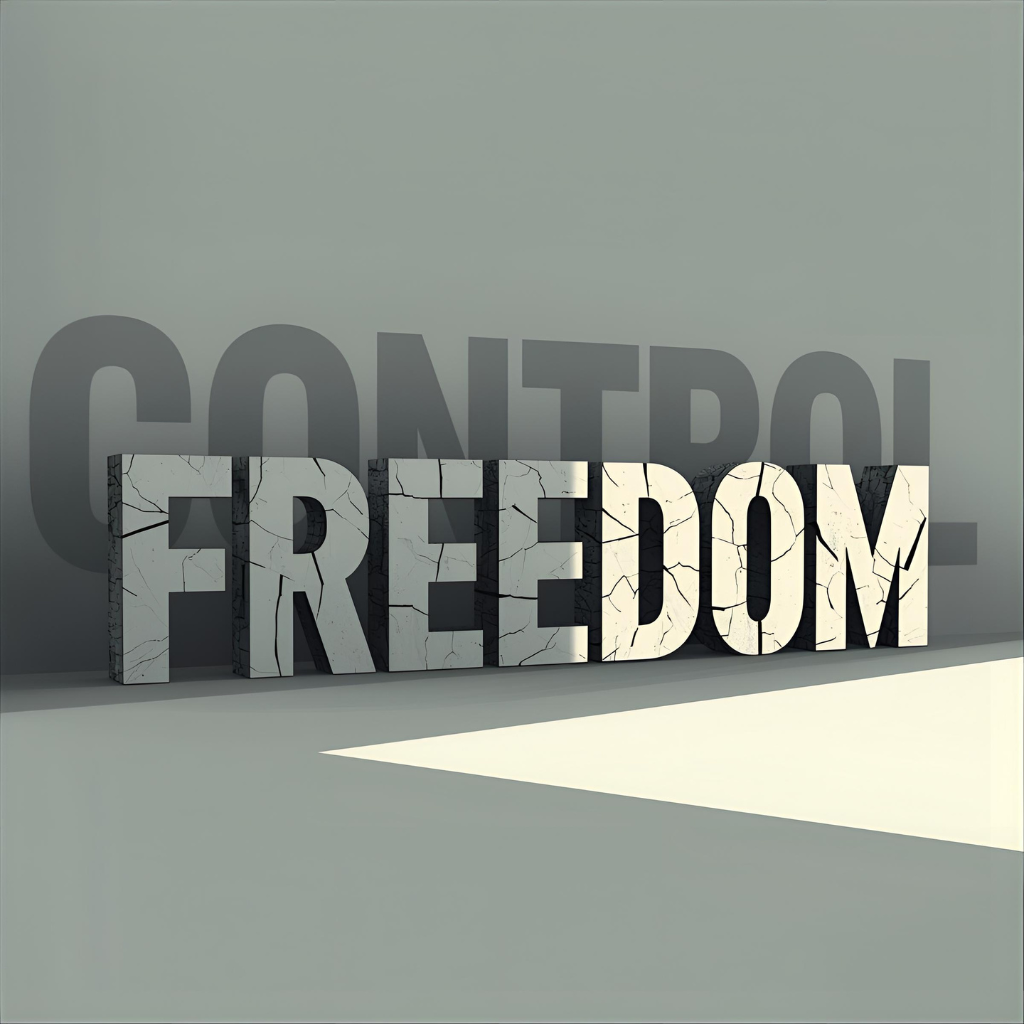
If George Orwell walked among us today, he would not be surprised. He warned us. He wrote of a future where truth bent under power, where language twisted to hide meaning, and where citizens lived under quiet surveillance. The world we inhabit now carries his fingerprints, not because he created it, but because he saw it coming. To imagine Orwell returning is to imagine a mirror held up to our own time.
The World He Would See
Orwell would look first at our machines. Phones that follow us everywhere, cameras in every corner, algorithms that trace what we buy, what we read, even what we dream of buying tomorrow. He would not need to invent telescreens. They already glow in our pockets, watching and listening, with our full permission. We tell ourselves it is convenience. Orwell would remind us that convenience is the oldest disguise of control.
He would read the news and see not information but performance. One paper declares a fact; another denies it. Each side speaks of “truth” but each twists it to fit a tribe. Words that once carried weight—freedom, democracy, justice—have been stretched so thin that they mean whatever the speaker desires. Orwell knew this game well. He called it Newspeak, the shrinking of language until thought itself becomes small.
The Erosion of Clarity
Orwell would not despair at technology itself. He valued progress when it served people. What would disturb him is the way words have been hollowed out. “Influencer” means little more than advertiser. “Engagement” means distraction measured in clicks. Even “friend” has been stripped of flesh and turned into a digital icon. He would remind us that when language rots, thought rots with it. And when thought rots, freedom cannot last.
He would open a newspaper headline that says “Peacekeeping Operation” when it means war. He would hear a company call mass layoffs “rightsizing.” He would notice how governments promise “security” when they mean surveillance. The details would be new, but the pattern is old: soften the words, and you soften the resistance.
What He Would Praise
Still, Orwell was no cynic. He believed in truth, and he believed in ordinary people. He would find hope not in governments or corporations but in small acts of honesty. A student studying a book instead of scrolling endlessly. A worker who tells the plain truth when a lie would be easier. A writer who refuses jargon and writes with clarity. These small acts are what Orwell treasured. They prove that honesty can survive even when the world rewards deceit.
He would admire the courage of those who question power openly, whether in protests, journalism, or even art. He would find strength in people who still insist that words mean what they mean. Orwell believed that language was the last defense of freedom. Every time we use it well, we keep that defense alive.
A Reminder for Us
If Orwell returned, he would not write new prophecies. He would not need to. Instead, he would point to the world around us and say, “This is what I warned you about.” He would urge us not to despair but to act. The danger is not only in the powerful who bend truth but also in our own willingness to look away. He would remind us that freedom is not lost in one blow but in a thousand small surrenders: the times we accept lies because they are easier, the times we trade privacy for comfort, the times we let others think for us.
The Duty of Clarity
Orwell’s voice was sharp because he cut through lies. He believed that good writing is good thinking, and that good thinking is the root of freedom. If he stood here today, he would give the same advice he gave long ago: never use a long word where a short one will do, never say “utilize” when “use” is enough, never allow language to become a mask. Clarity is honesty, and honesty is the seed of freedom.
The question is not what Orwell would think of us. The question is what we will do now that his warnings echo louder than ever. Will we keep sleepwalking while truth shrinks and freedom fades? Or will we take up his call—to speak clearly, to think sharply, and to defend the simple power of words?
The choice, as always, is ours.


Leave a Reply