
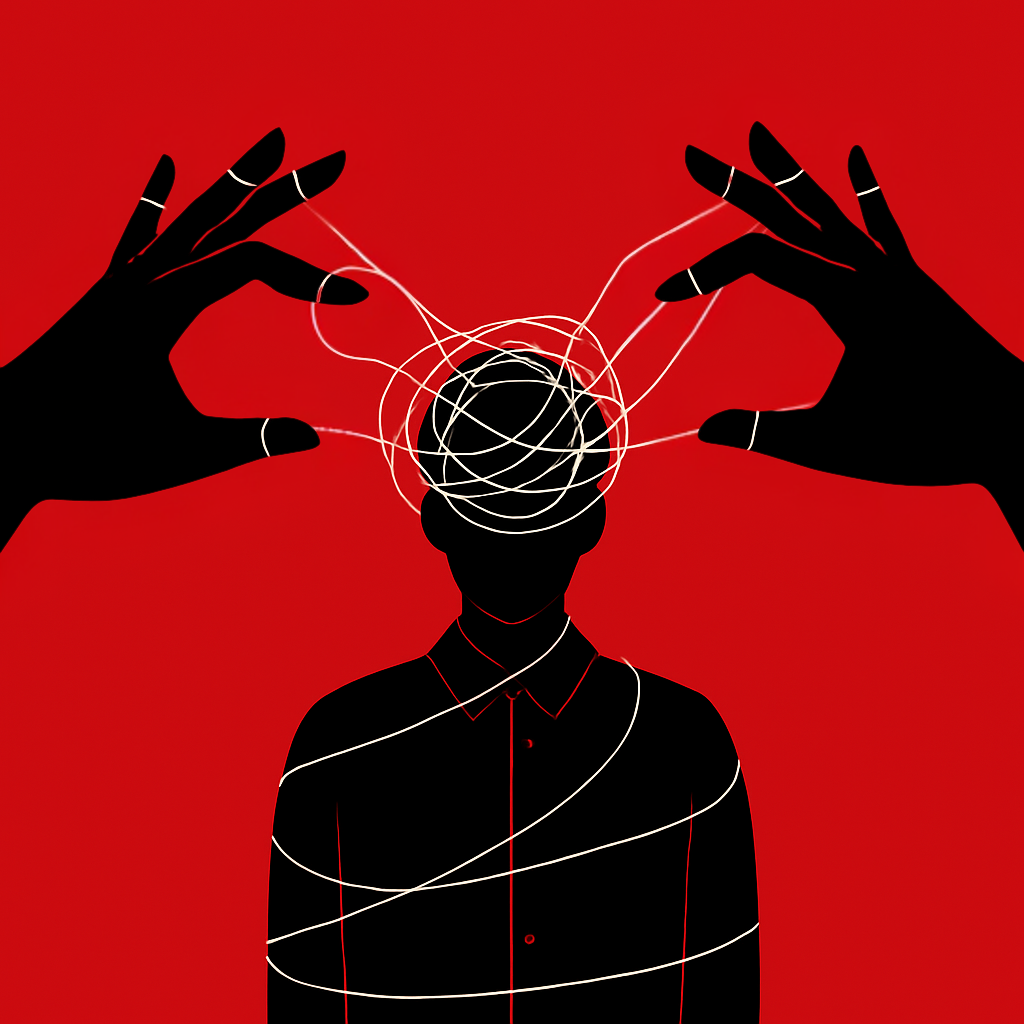
People like to think they steer their own lives. We make plans, set goals, and believe that our choices carve the path ahead. This sense of control comforts us. It reassures us that effort will be rewarded and misfortune can be avoided. Yet this belief is often an illusion. The world is shaped by countless forces beyond our perception: chance, circumstance, biology, and the actions of others. We act as if we are captains of our fate, while in truth we navigate a current we rarely see.
Forces Beyond the Self
Consider the everyday. A meeting delayed by traffic, a sudden illness, a stranger’s remark—these events shift the course of days, months, or even years. No amount of planning prevents them. Yet most people interpret these events as successes or failures of their own making. We underestimate how much of life is dictated by context rather than choice. The illusion of control makes us take credit for fortune and shoulder blame for misfortune, distorting reality.
The Cost of Illusion
Believing we are fully in control carries risks. It creates frustration when things go wrong, guilt when outcomes disappoint, and anxiety when uncertainty rises. It also narrows perspective. If we see life as entirely ours to command, we overlook the hidden patterns and subtle forces shaping it. Opportunities are missed because we focus on the wrong levers. Mistakes are magnified because we assume they are personal failings rather than part of a larger, unpredictable system.
Control as a Habit
The illusion is reinforced daily. From childhood, we are taught to plan, compete, and strategize. Success stories celebrate individuals who “took charge” of their destiny. Yet these stories often obscure the countless unseen variables—timing, luck, circumstance—that made those outcomes possible. Control becomes a habit of thought rather than a truth of reality. It reassures the mind even when it misleads the soul.
The Hidden Freedom
Recognizing the limits of control is not defeat. On the contrary, it can free us. When we accept that we cannot dictate every outcome, we focus on what we can influence: our attention, our decisions, our effort. We stop expending energy on resistance to the uncontrollable and start cultivating clarity and resilience. Freedom comes not from bending the world to our will, but from seeing it as it is and moving wisely within it.
Flow of Events
Life is a river, not a path laid in stone. We paddle, steer, and sometimes drift. The illusion of control encourages a rigid grip, which often leads to frustration and exhaustion. Letting go does not mean abandoning effort; it means aligning action with reality rather than fantasy. We learn to read currents, anticipate obstacles, and adjust course—not because we can command the river, but because we can respond intelligently to it.
Small Levers, Big Impact
Even when control is limited, small choices matter. Choosing attention, setting boundaries, and cultivating habits are levers we can pull. Yet it is vital to understand their true scale. These levers influence our immediate experience, but they rarely dictate destiny entirely. Recognizing this balance—what can be steered and what cannot—shifts perspective from anxiety to strategic action.
Acceptance as Power
The paradox is that accepting the limits of control enhances our power. By distinguishing between what is under our influence and what is not, we conserve energy, sharpen focus, and act with precision. Life is no longer a constant battle against chance, but a series of intelligent responses to circumstance. Acceptance is not resignation; it is clarity. It allows decisions to be grounded in reality, not in the comforting fiction of total control.
Living Within the Truth
The greatest skill is to navigate life with awareness of the forces at play. Recognize what you can shape, and acknowledge what you cannot. Treat success as a combination of effort and circumstance, and misfortune as a lesson rather than a moral failing. In doing so, the mind rests. Anxiety diminishes, focus improves, and the illusion of control fades, replaced by genuine understanding.
Conclusion
The belief that we can steer every aspect of life is seductive but misleading. The world is shaped by countless invisible forces, and to think otherwise is to invite frustration and error. Yet awareness of these limits does not diminish life—it clarifies it. Freedom lies not in commanding the uncontrollable, but in seeing reality clearly, acting wisely where influence exists, and accepting the rest. In this balance, we find strength, resilience, and a measure of peace.


Leave a Reply