
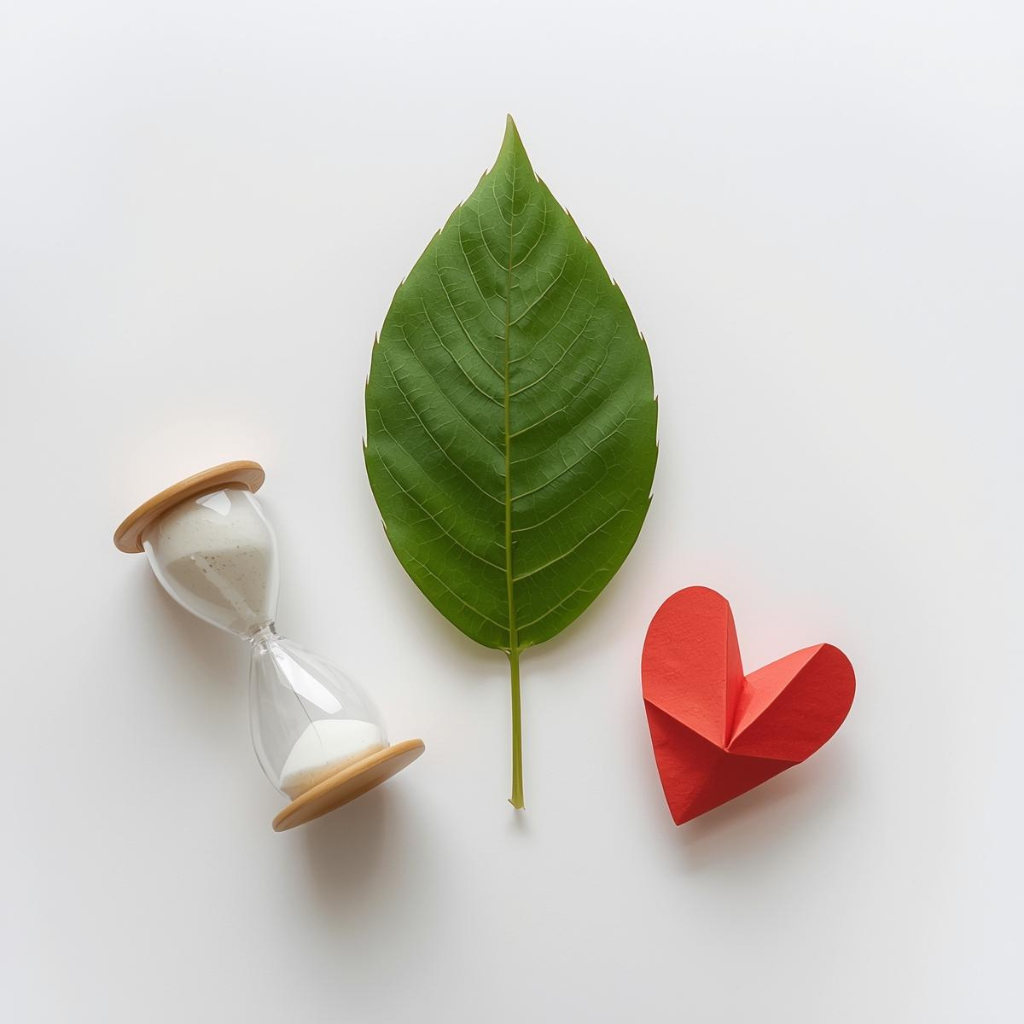
Humans will chase almost anything they can see. Cars, phones, clothes, houses — you name it. We are drawn to whatever glimmers from a distance. Our economies depend on it, our adverts seduce us with it, and our conversations revolve around owning it. But the things that truly matter — the things that define the quality of our entire existence — are invisible. Time, health, and happiness do not sit on a shelf waiting to be purchased. No company can sell them to you. No algorithm can send them your way. They are available only through your attention, and often, they pass by unnoticed because they do not shout.
Nobody talks about investing in health. Nobody queues up to buy more time. But sales pitch after sales pitch promises you better things to own, better gadgets to replace the perfectly good ones you already have, promising you happiness. Society teaches you to obsess over products that will end up obsolete within months, but rarely teaches you to protect the seconds that make up your life.
Products come and go. Time does not. That’s the truth most of us acknowledge only in distress — at a grave, in a hospital bed, or during a moment of regret. But regret is simply the echo of time you didn’t appreciate when you had it. Seconds slip away unnoticed. The 17th of November 2025, 6:53:25 pm — that second, as you read this, has already dissolved into memory. The minute that followed it is gone, too. Time works in one direction, whether or not you’re paying attention.
We each receive 24 hours a day, no more, no less. But not everyone treats those hours equally. Some behave as though they’ve been gifted 48. Others behave as though they’ll live twice. Wishes like “I’ll get to it tomorrow” or “One day, when I have free time” are all built on the unspoken assumption that there will always be more time. But there won’t. There never is. Unfortunately one day is not a part of the week, Time is neutral, always passing — whether you respect it or not. You can own every object within your desire, but time cannot be owned. Health cannot be predicted. And happiness cannot be summoned unless both are carefully guarded.
Life’s 3 Fundamentals
Every moment is a currency you spend, whether wisely or carelessly. Imagine holding real money — how carefully you would count it. But when it comes to time, most people are shockingly reckless. We trade precious hours for distractions we don’t really enjoy, for arguments that go nowhere, for mindless scrolling that leaves us emptier than when we began. Then we say, “I have no time.” But that isn’t true — we had it. We just spent it without intention.
Think of a single moment: 17 November 2025, 7:05:54 pm — already gone. Stamped into the past. You cannot revisit it. You cannot negotiate with it. Time is not only uncontrollable; it is irreplaceable. And yet, we casually insult it. We procrastinate. We overcommit. We make no room for silence, reflection, or rest — as if there will always be time later to live well.
Wealth can buy influence. It can buy convenience. It can buy apologies and reputation. But not even the world’s richest person can buy an extra hour of life. Time is the level playing field. If you squander 30 minutes today, you are poorer than someone with less money but more awareness. Every second counts — whether used or lost.
What makes time especially brutal is its honesty. It shows you the results of your choices without bias. Whether you spent it well or wasted it, the result always arrives. And there are no refunds.
Health: The Gift That Can’t Be Bought
Health is the silent foundation beneath everything you value. You only notice it when it weakens — when stairs become a challenge, when the mind becomes foggy, when sleep refuses to restore you. No amount of wealth can repair the body once it has been consistently neglected. There is no shop where one can purchase vitality. There is no subscription service for strength. health cant be guaranteed nor can the improvements of health be certain
Society glamorises working late and sleeping less, as if exhaustion is a badge of honour. But burning through your health to maintain an identity is simply trading your future for your ego. We reward output and ignore well-being. We celebrate the busy person and secretly pity the rested one. Yet when the body breaks, every other ambition folds. You cannot enjoy wealth if you cannot stand. You cannot appreciate beauty if your mind is in pain. You cannot experience happiness when every movement hurts.
Health requires commitment. Not extreme effort — just respect. Simple habits, consistency, sleep, movement, nourishment, presence. It is not dramatic; it is quiet. But it is everything. Health is the one necessary condition without which all other achievements become hollow.
Happiness: A Product of Time and Health
Happiness is not a treasure you hunt. It is something that grows in the spaces created by good use of time and careful preservation of health. When you manage your hours and protect your body, happiness becomes possible. Not in bursts, but as a steady state — calm, unforced, genuine.
Wealth can stimulate the senses, but it cannot bring meaning on its own. A new car may impress your neighbour, but it cannot repair a mind that is exhausted and restless. A designer watch might feel powerful on your wrist, but it cannot reset your sleep cycle or remove your anxiety. Happiness is subtle. It is a by product. It arises not from possessions, but from alignment — from knowing you are spending your time and energy in ways you won’t regret.
Happiness lives in mornings where the mind is clear, in evenings where your body feels light, in conversations where nothing is rushed. It lives in small, unremarkable moments, not the grand ones we advertise online.
The Illusion of Material Control
We chase the tangible because it feels controllable. If something breaks, we can replace it. If something looks outdated, we can upgrade it. Objects obey us. Time and health do not. And so we avoid them. We distract ourselves with what we can buy because confronting what we cannot is frightening.
Material success creates the illusion that life can be arranged like furniture. But time has its own rules, and the body has its limits. No purchase can extend life once time has run out. No status symbol can make an unwell mind feel peaceful. Wealth gives the illusion of control; time and health remind us that there are forces not subject to your will.
Reflection: How to Value What You Can’t Buy
The question is not whether you want to live well. It’s whether you want to live intentionally. Without intention, life becomes a reaction — to notifications, headlines, trends, deadlines. With intention, life becomes a practice — one grounded in awareness rather than impulse.
You have a choice every second. You can chase what can be bought or protect what cannot. You can measure your worth in possessions or in presence. You can let time slip away, or you can treat it like the single most valuable thing you will ever own.
Protect your hours. Move your body. Safeguard your rest. Reflect before you react. Wealth may give you comfort, but time and health give you life. And happiness is simply the experience of living well within those two boundaries.
By shifting your focus away from what is sold to you and toward what is already inside your control, life becomes richer. You may still enjoy material things — and you should — but they will stop defining you. Because now you know what truly matters.
The true treasures are invisible. They leave no receipt. They grow only when protected, not purchased. And once you understand that, you realise the rarest currency in the world is not money — it is a single moment of life, spent consciously.
Spend it well.


Leave a Reply